

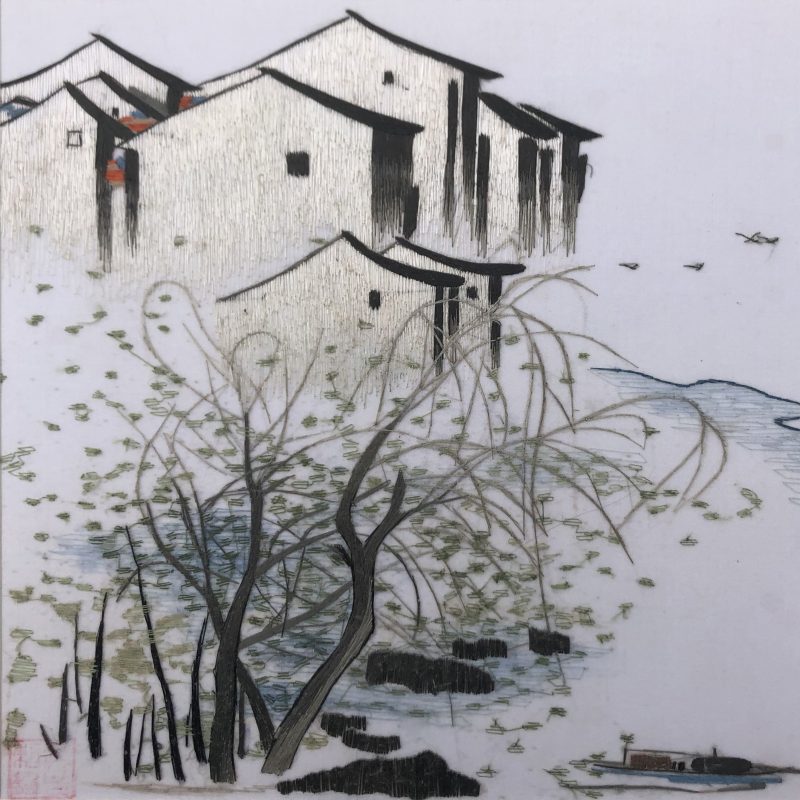
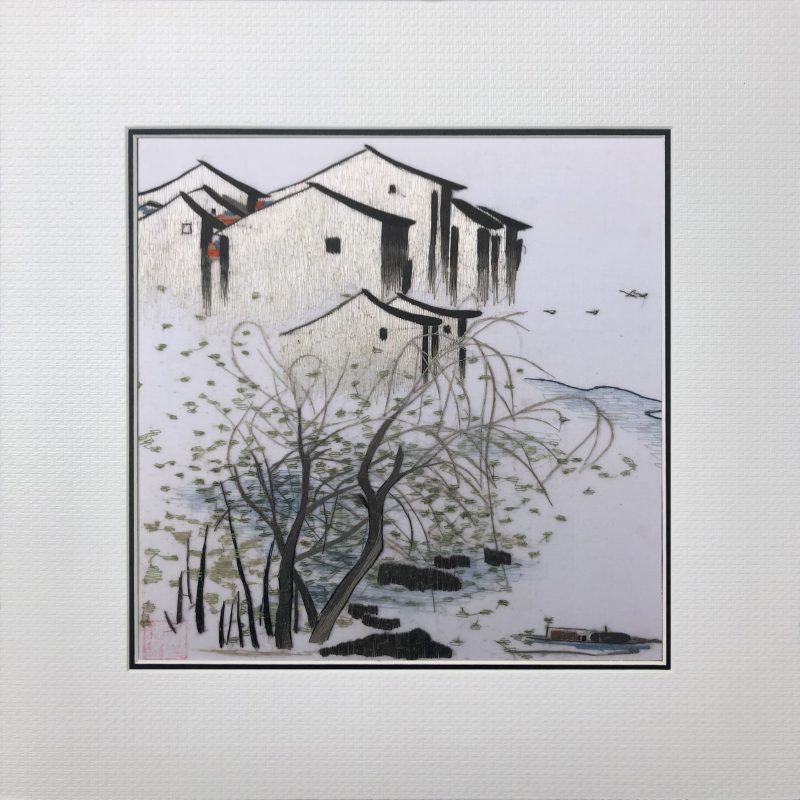
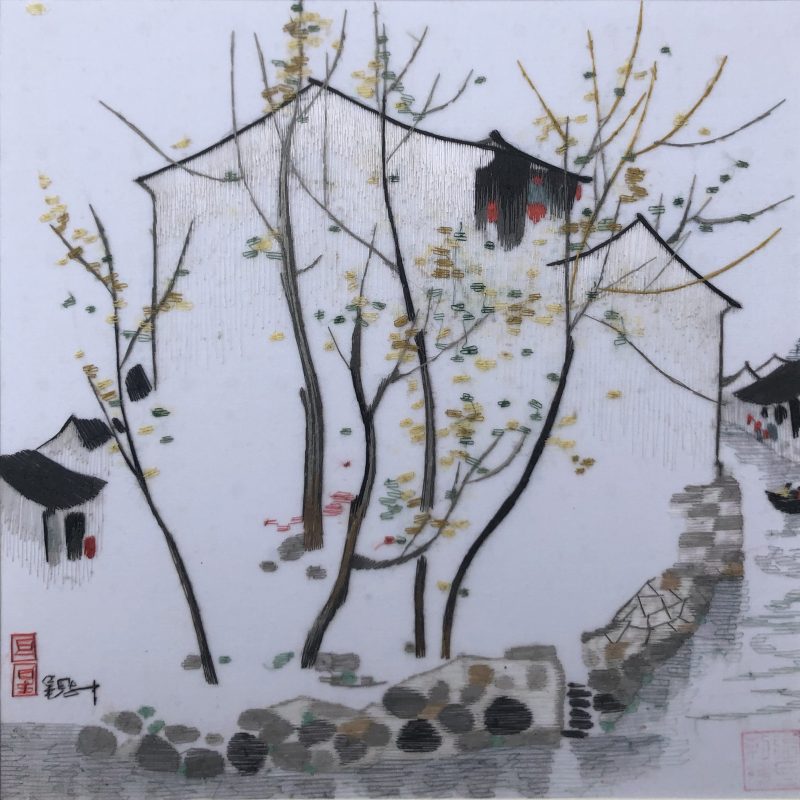
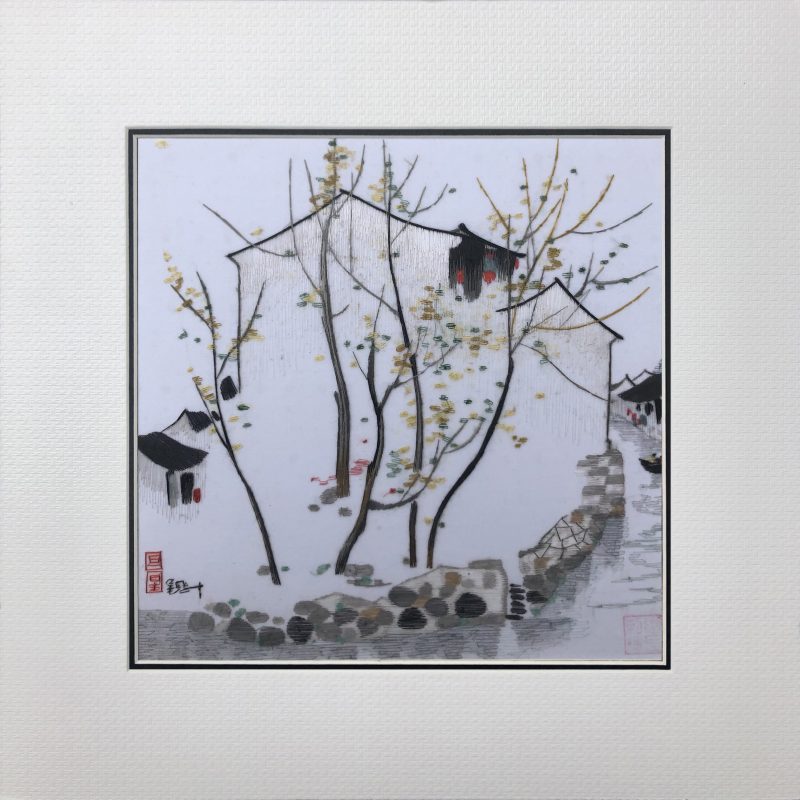
 37150 Suzhou watertown
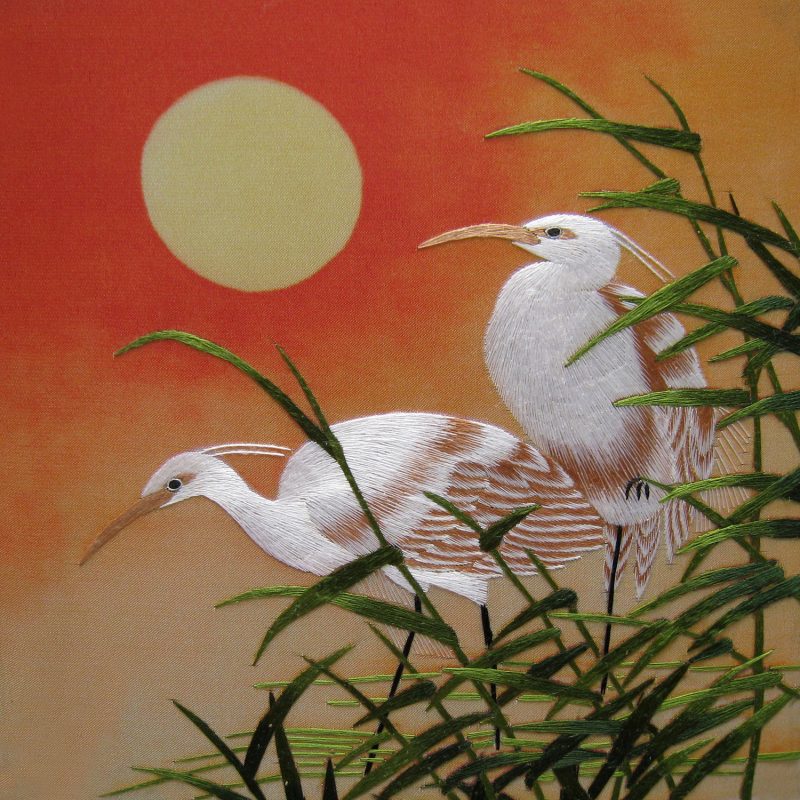
  37142 Gui lin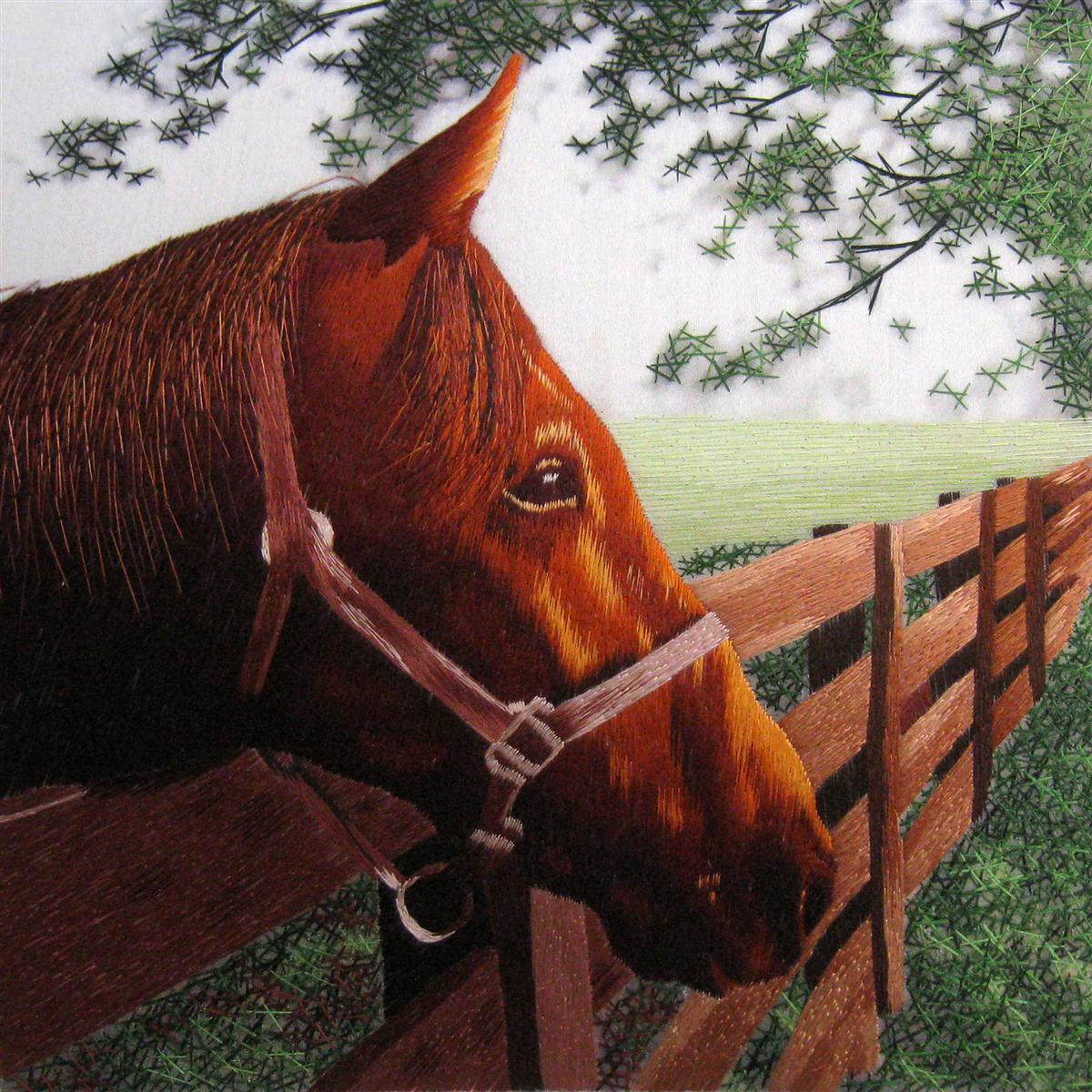
Description
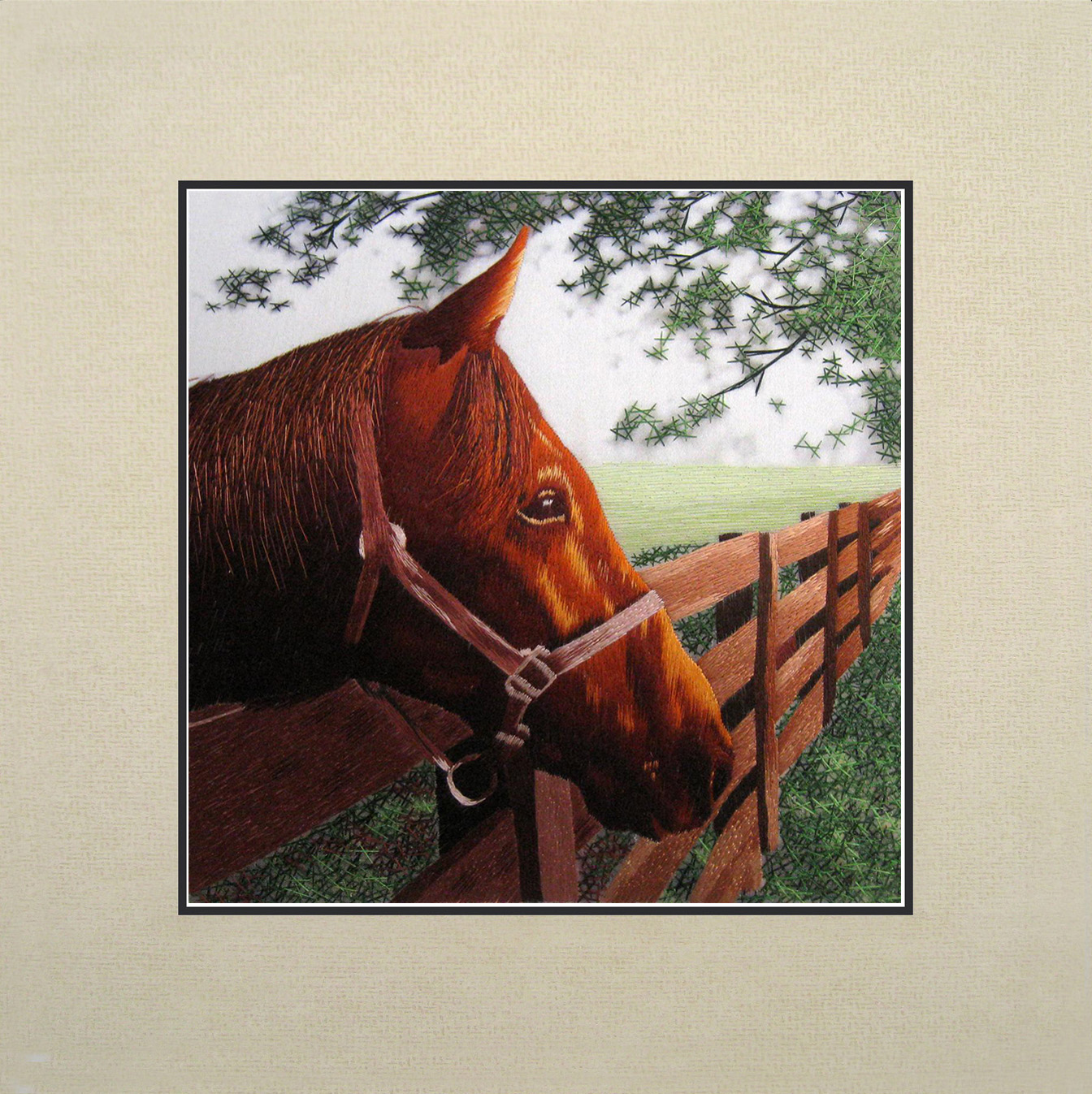
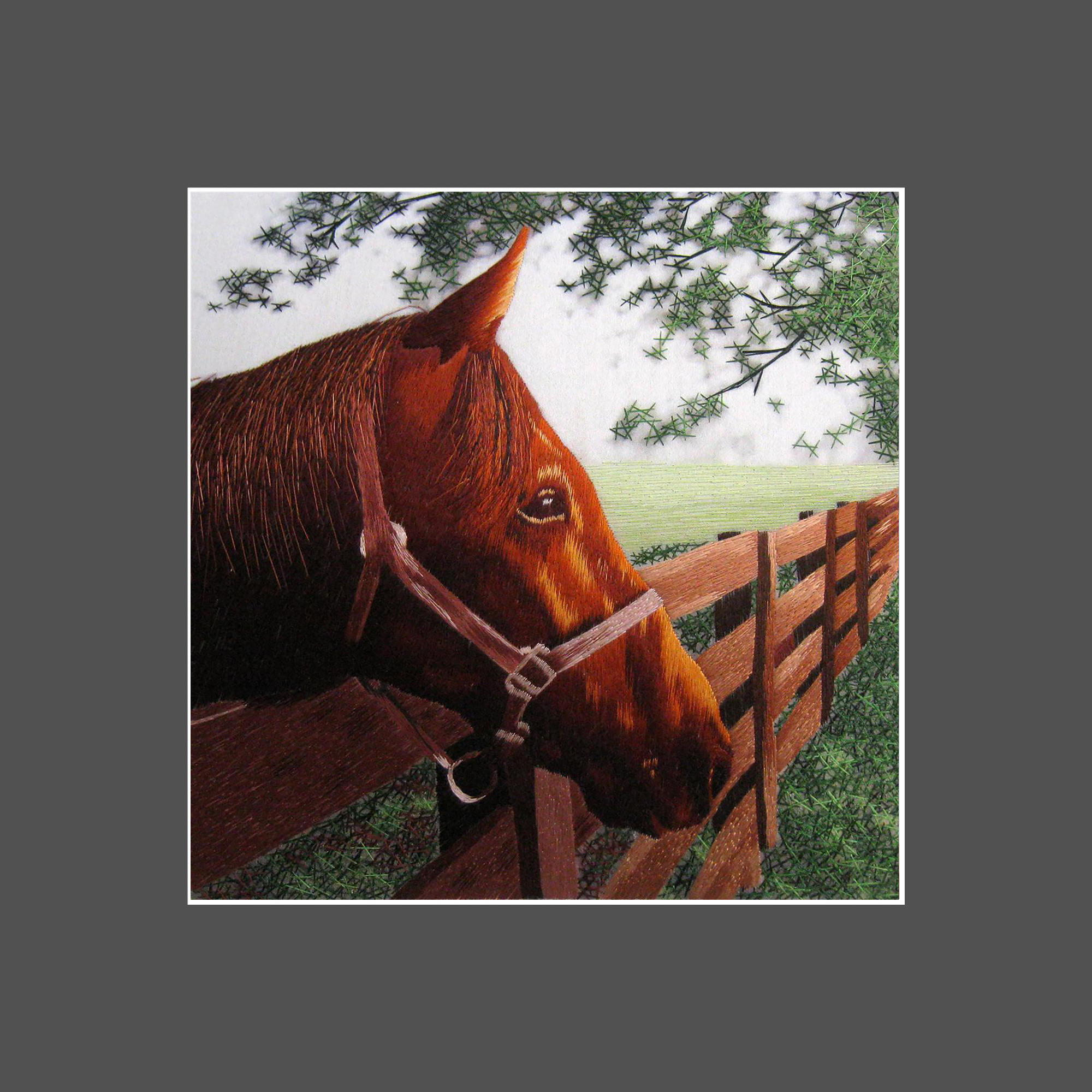
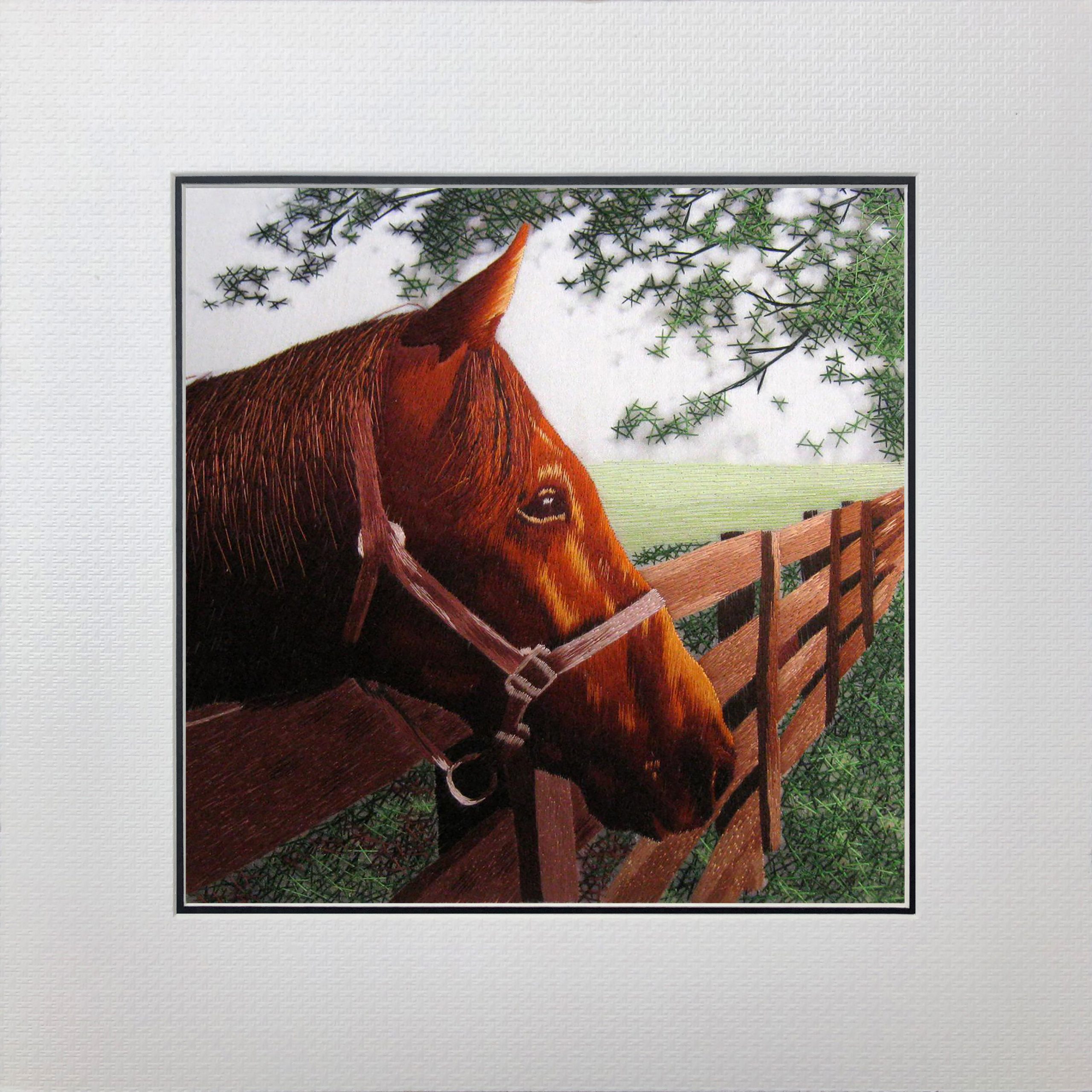
Clear evidence of the early use of the horse is as a means of transport. This evidence dates from chariot burials from around the year 2000 BC. Still, there is evidence supporting another hypothesis. This hypothesis suggests that horses were domesticated in the Eurasian Steppes around the year 3500 BC. Botai settlements in the Akmola Province of Kazakhstan are believed to provide the location of the earliest domestication of the horse. Leaving aside the exact time and date of domestication, horses have been used throughout history for transport, warfare and agricultural work.
古时野马未被人类驯服,每当午时,四处奔跑嘶鸣,故称“午马”。祖先们认为,龙马就是仁马,它是黄河的精灵,是炎黄子孙的化身,代表了华夏民族的主体精神和最高道德。祖先们在世界观里已经把龙马等同于纯阳的乾,它是刚健、明亮、热烈、高昂、升腾、饱满、昌盛、发达代名词《易经》中干脆说:“乾为马”,它是天的象征又代表着君王、父亲、大人、君子、祖考、金玉、敬畏、威严、健康、善良、远大、原始、生生不息……这就是孔夫子在《周易·乾卦》中总结的那句中国人代代流传的最响亮的名言的由来:“天行健,君子以自强不息!”是的,这匹由我们民族的魂魄所生造出的龙马,雄壮无比,力大无穷,追月逐日,披星跨斗,乘风御雨,不舍昼夜。



Reviews
There are no reviews yet.